Liposuction, also known as lipoplasty or liposculpture, is a surgical procedure used to remove localized areas of excess fat and improve body contour. It may be considered when certain areas of the body have fat deposits that do not respond as expected to diet and exercise.
Dr. Ata-ul-Haq (MBBS, FCPS) is an experienced plastic and reconstructive surgeon with over 15 years of experience. He is Associate Professor of Plastic Surgery at Allama Iqbal Medical College, Lahore. During consultation, he assesses the patient’s concerns, anatomy and goals to determine whether liposuction or another treatment option may be appropriate.
Liposuction can be performed on selected areas such as the abdomen, waist, thighs, arms, back, hips, chin and neck. The appropriate treatment depends on individual factors and the amount and distribution of excess fat.
Schedule a consultation with Dr. Ata-ul-Haq to discuss your concerns, treatment options, expected recovery and whether liposuction may be suitable for you.
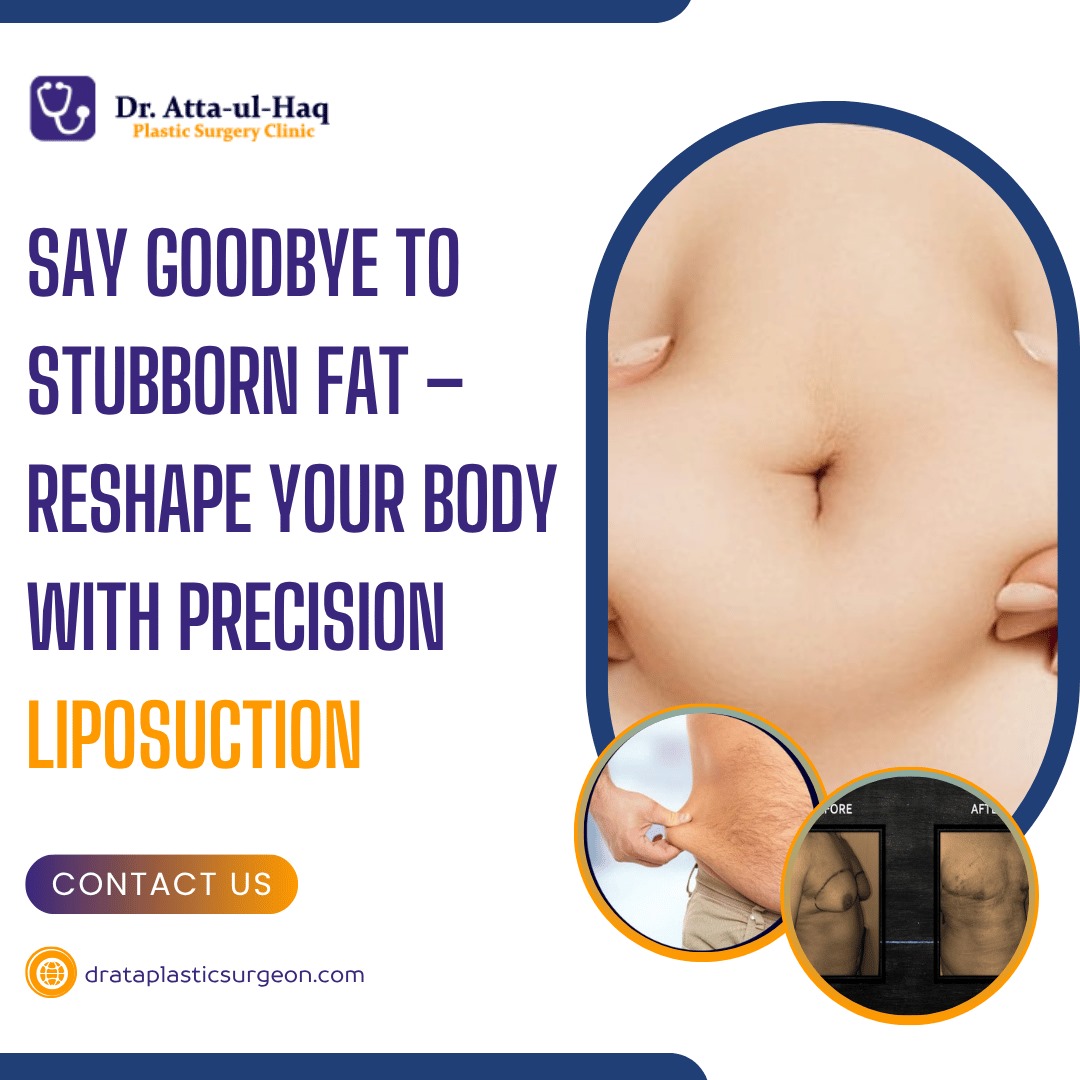
Dr. Ata-ul-Haq provides consultations for patients considering liposuction in Lahore. Discuss your treatment goals and learn about suitable options, recovery, and potential risks.
Curious about the results of liposuction in Lahore? Explore our before and after photos to see how real patients have achieved noticeable fat reduction and body contouring through our advanced lipo surgery techniques. These transformations speak for themselves and reflect the skill, care, and experience behind every procedure.
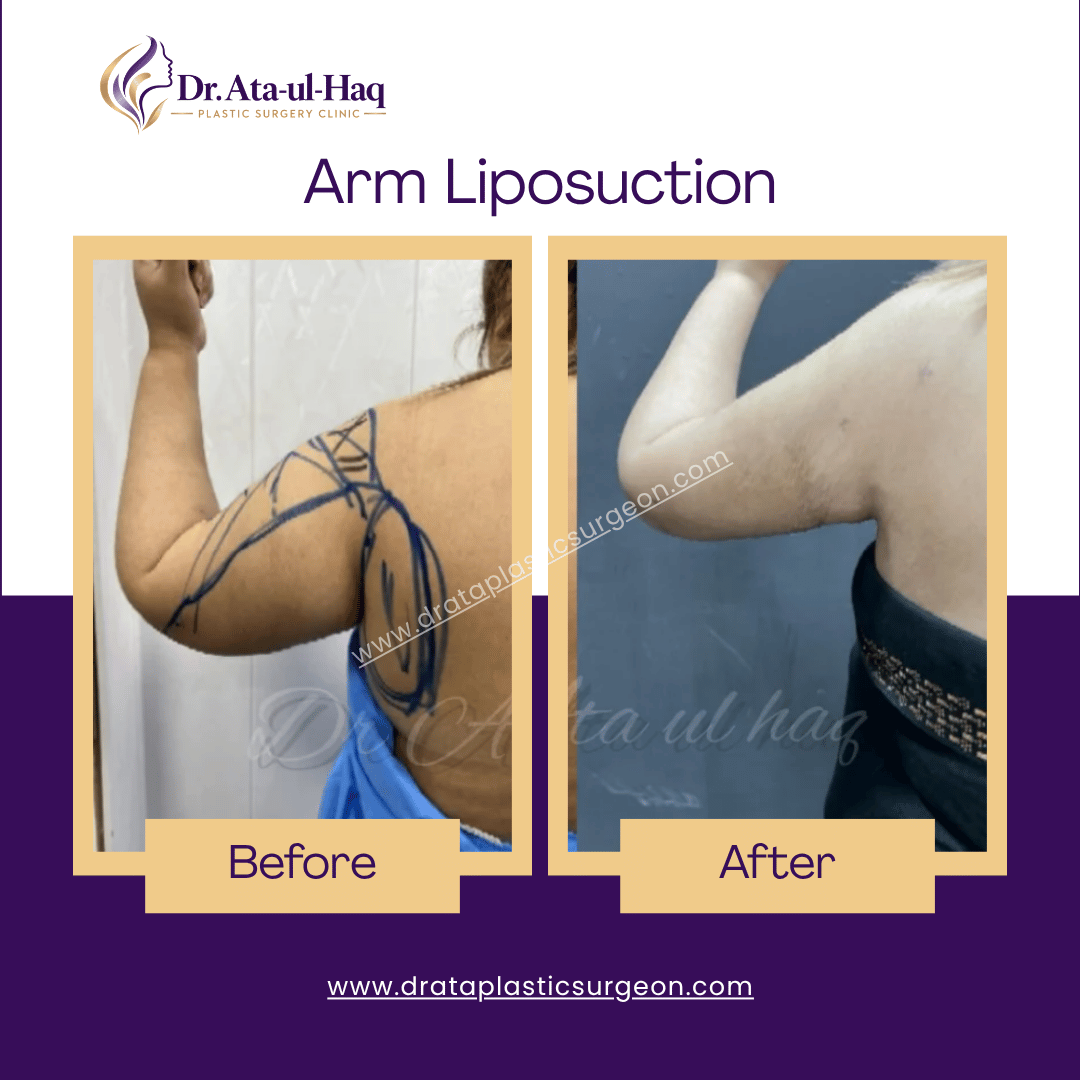
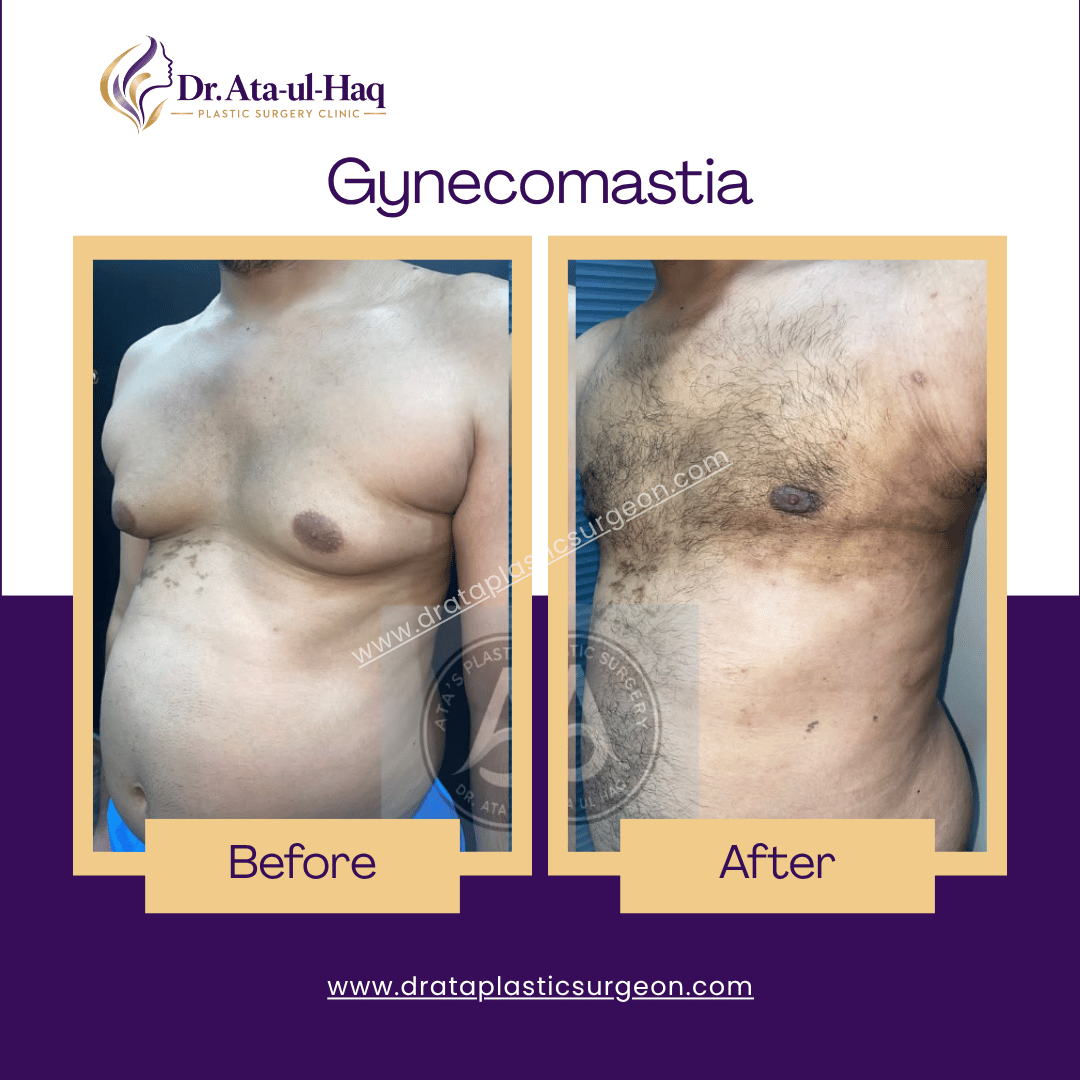
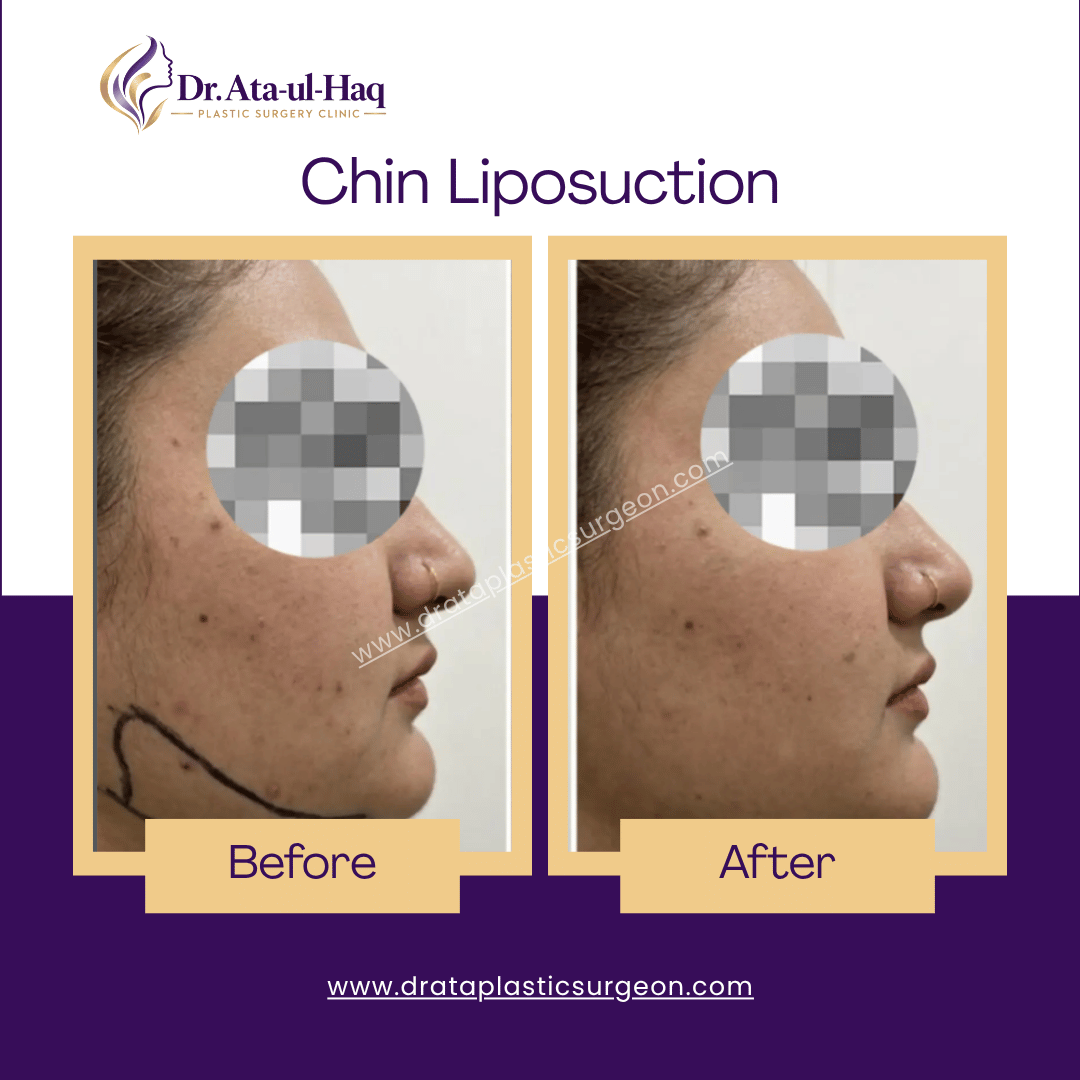
Liposuction may be used to reduce localized fat around the abdomen and improve the contour of the tummy. Whether liposuction alone is appropriate depends on factors such as the amount of excess fat, skin elasticity and overall abdominal contour.
Arm liposuction may help reduce localized fat deposits in the upper arms and improve their contour. Assessment of skin quality is important because liposuction primarily addresses excess fat and does not remove significant amounts of loose skin.
Thigh liposuction can be considered for localized fat deposits affecting the inner or outer thighs. Treatment planning depends on the distribution of fat, skin quality and the patient’s overall body proportions.
Liposuction can be used in selected patients to improve the contour of the waist, flanks and hips. These areas may be treated individually or as part of a broader body-contouring plan.
Localized fat deposits on the back can sometimes be treated with liposuction. The appropriate technique and treatment areas are determined after clinical assessment.
Liposuction may be considered for selected patients with localized fat beneath the chin or around the neck. If you are specifically concerned about a double chin, learn more about Double Chin Removal in Lahore.
Liposuction surgery involves removing fat from selected areas through small incisions using a surgical cannula.
The specific technique, anesthesia and treatment plan depend on the areas being treated and the individual patient’s circumstances.
Liposuction may be used to reduce localized fat around the abdomen and improve the contour of the tummy. Whether liposuction alone is appropriate depends on factors such as the amount of excess fat, skin elasticity and overall abdominal contour.
Before surgery, Dr. Ata-ul-Haq assesses the areas of concern, medical history, general health, skin quality and treatment expectations.
The consultation is also an opportunity to discuss:
Small incisions are made in appropriate locations, and a cannula is used to remove targeted fat deposits.
The amount of fat removed and the areas treated depend on the individual treatment plan.
After the procedure, patients receive postoperative instructions regarding wound care, activity, compression garments where appropriate, medications and followup.
Liposuction is a cosmetic surgery procedure that can help to reduce unwanted fat from different areas of the body such as arms, thighs, tummy, legs, stomach and male breasts.
At Our Plastic Surgery Clinic, we mainly offer suction-assisted liposuction. The problem areas are injected with a solution that contains lidocaine to numb the tissue and epinephrine to minimize bleeding. A long narrow tube called a cannula is used to loosen the fat, and suction is employed to remove the fat from the targeted areas. Liposuction can be very effective in certain areas of the body, particularly the lower abdomen, hips, outer thighs, and upper arms. Your procedure may require only one incision, or it may require several. This will vary with the parts of your body where you desire fat removal and the amount of fat Dr. Atta must remove.
Liposuction may be considered for adults who are generally healthy and have localized fat deposits that they would like to address through body-contouring surgery.
Suitability depends on several factors, including:
Liposuction is not a substitute for weight-loss treatment, and it may not be appropriate when significant loose skin or other conditions require a different approach.
A consultation is necessary to determine whether liposuction is suitable for an individual patient.
Most liposuction procedures are done under general anesthesia. You’ll be able to go home at the same day. Surgery is performed at the state-of-the-art clinic located at DHA, Lahore, Pakistan.
Like other surgical procedures, liposuction carries potential risks and complications.
These may include swelling, bruising, infection, bleeding, changes in sensation, contour irregularities, scarring, asymmetry and complications related to anesthesia or surgery.
The risks can vary depending on the extent of treatment and individual health factors.
These potential risks should be discussed with the surgeon during consultation before deciding whether to proceed.
Micro scars (from 5 to 10 mm in size) remain after liposuction; however, over time, they become hardly noticeable.
Recovery after liposuction varies depending on the areas treated, the extent of surgery and individual healing.
Swelling, bruising, soreness and temporary changes in sensation may occur during the initial recovery period. Patients may need to limit strenuous activity for a period recommended by their surgeon.
Postoperative instructions may include guidance about:
The surgeon will provide specific instructions based on the procedure performed.
The duration of the surgery depends on the extent of the surgery and the amount of body fat to be sucked out. To put it in numbers, liposuction may last from one to several hours.
Anesthesia will be administered during the procedure. As a result, you will not feel any pain during a liposuction treatment. In addition, medication will be prescribed to minimize pain after surgery.
Yes, it is possible. Because fat cells are actually removed during liposuction, very few fat cells remain in the areas treated. If you exercise and maintain a healthy diet, the results of your liposuction procedure will last as long as age and other such factors don’t take their toll.
Liposuction can improve the contour of selected areas by reducing localized fat deposits. However, results vary between individuals and depend on factors such as anatomy, skin quality, the amount of fat removed and the healing process.
Swelling can make the treated area appear different during the early recovery period. The final contour becomes clearer as healing progresses.
It is important to have realistic expectations and understand that liposuction is designed for body contouring rather than general weight loss.
Lower leg liposuction procedure performed below the knees. The procedure can be executed on one or both legs. The procedure has the same goal as overall leg liposuction, more specifically removing persistent fats from targeted areas.
Yes. Thigh liposuction may be used to reduce localized fat in selected areas of the thighs. The appropriate treatment depends on individual anatomy and treatment goals.
No, liposuction is not a weight loss method. It’s a fat removal surgery designed to target stubborn fat deposits that don’t respond to diet or exercise. It helps in body contouring, not overall weight reduction.
Common treatment areas include the abdomen, thighs, hips, arms, back, chin, and male chest. Liposuction can be performed on one or multiple areas depending on your goals.
The cost of liposuction in Lahore varies from patient to patient. It can depend on factors such as:
A fixed price cannot accurately represent every patient's treatment requirements.
An individualized estimate can be discussed after consultation and assessment.
Yes. Arms liposuction may be considered for selected patients with localized fat deposits in the upper arms. Suitability depends on factors such as skin quality and the amount of excess fat.
Dr. Ata-ul-Haq (MBBS, FCPS) is a plastic and reconstructive surgeon with over 15 years of experience in plastic, cosmetic, and reconstructive surgery. He currently serves as Associate Professor of Plastic Surgery at Allama Iqbal Medical College, Lahore, where he is involved in medical education and clinical practice.
His experience includes plastic, cosmetic, reconstructive surgery and microsurgery. He takes an individual approach to patient care, considering each patient’s concerns, anatomy, medical history and treatment goals when discussing suitable surgical options.
For patients considering liposuction, consultation with Dr. Ata-ul-Haq provides an opportunity to discuss the areas of concern, suitability for treatment, realistic expectations, potential risks and the expected recovery process.

Dr. Ata-ul-Haq (MBBS, FCPS) is an Associate Professor of Plastic Surgery at Jinnah Hospital/Allama Iqbal Medical College, Lahore, Pakistan. He is certified and member of Pakistan Association of Plastic Surgeons and Pakistan Medical and Dental Council.
