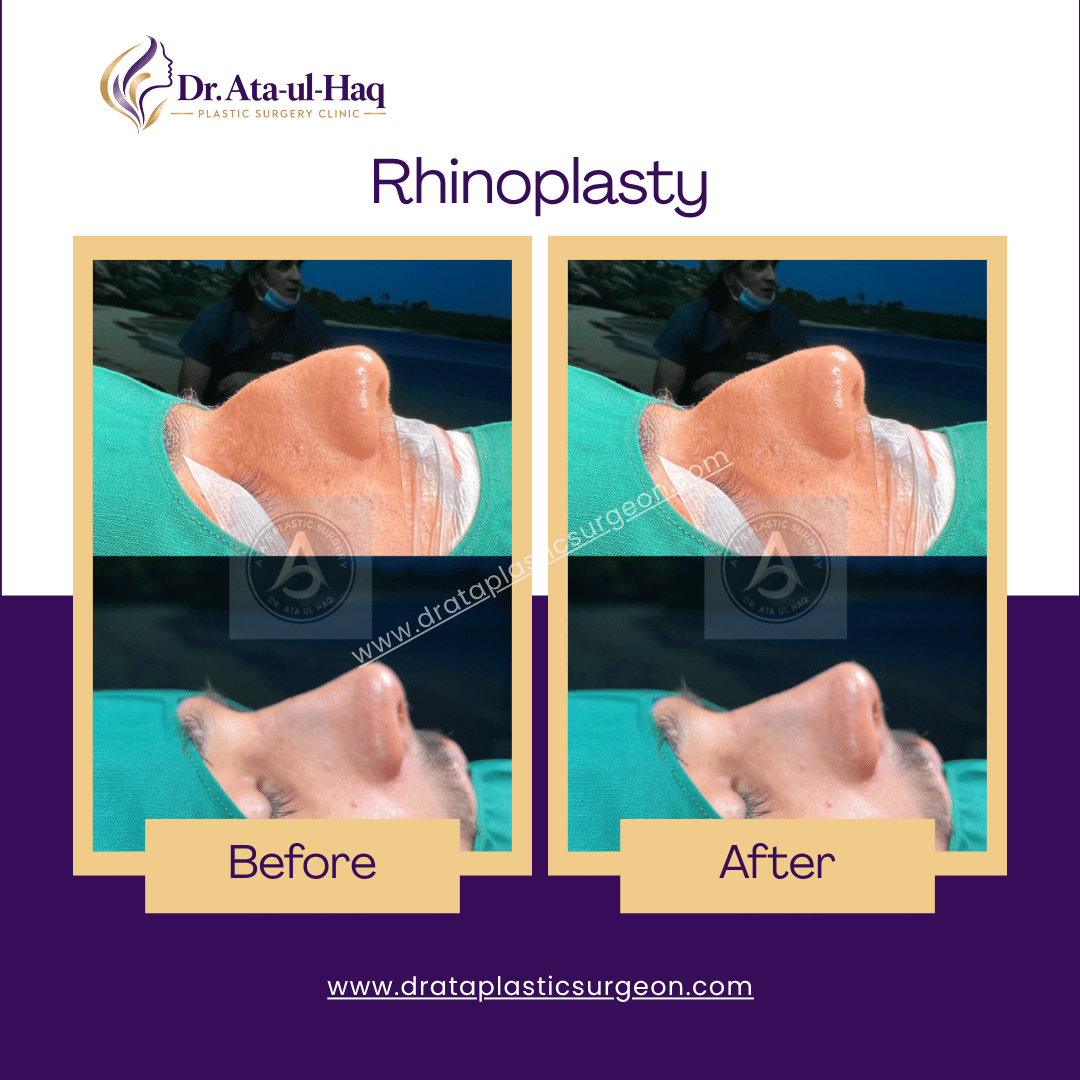
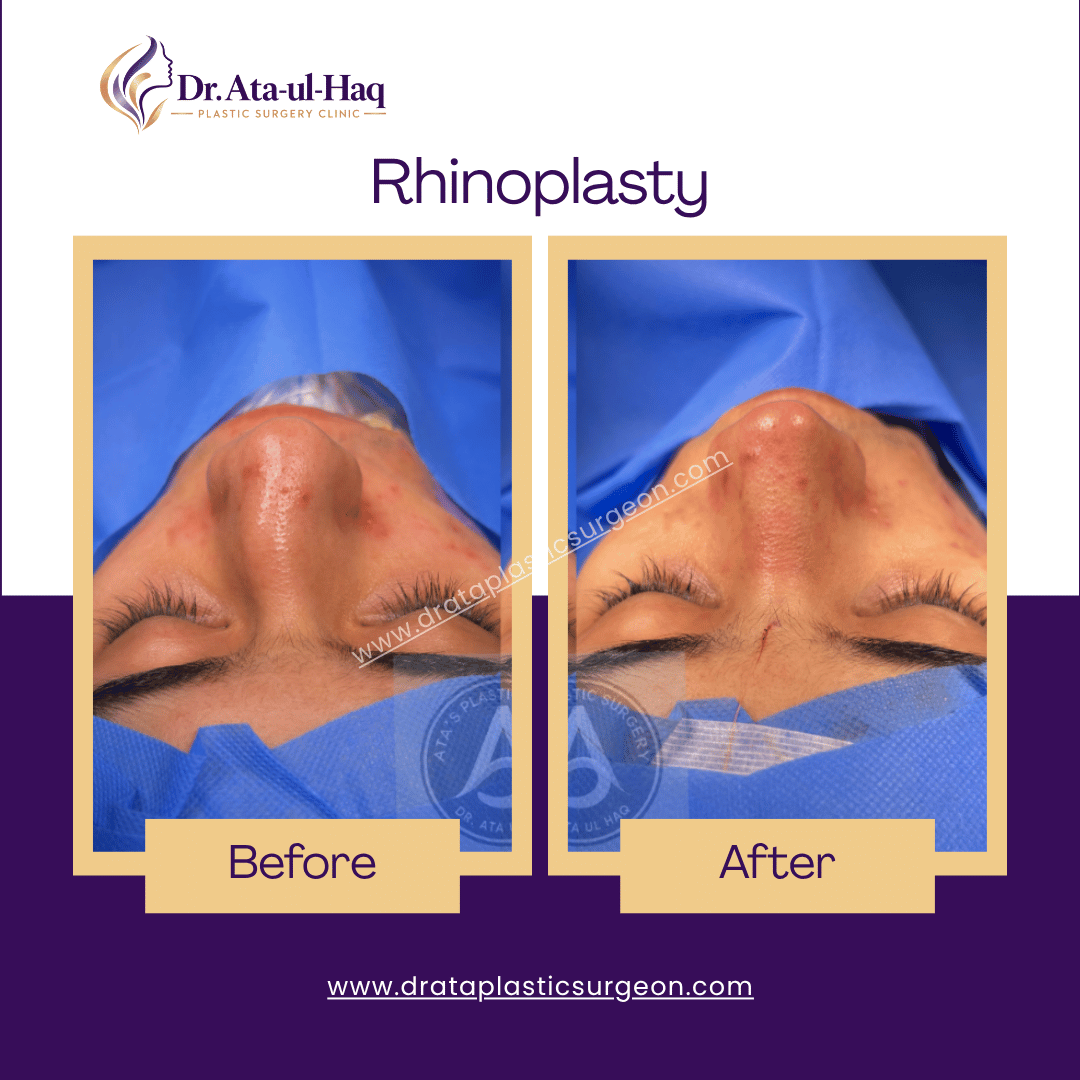
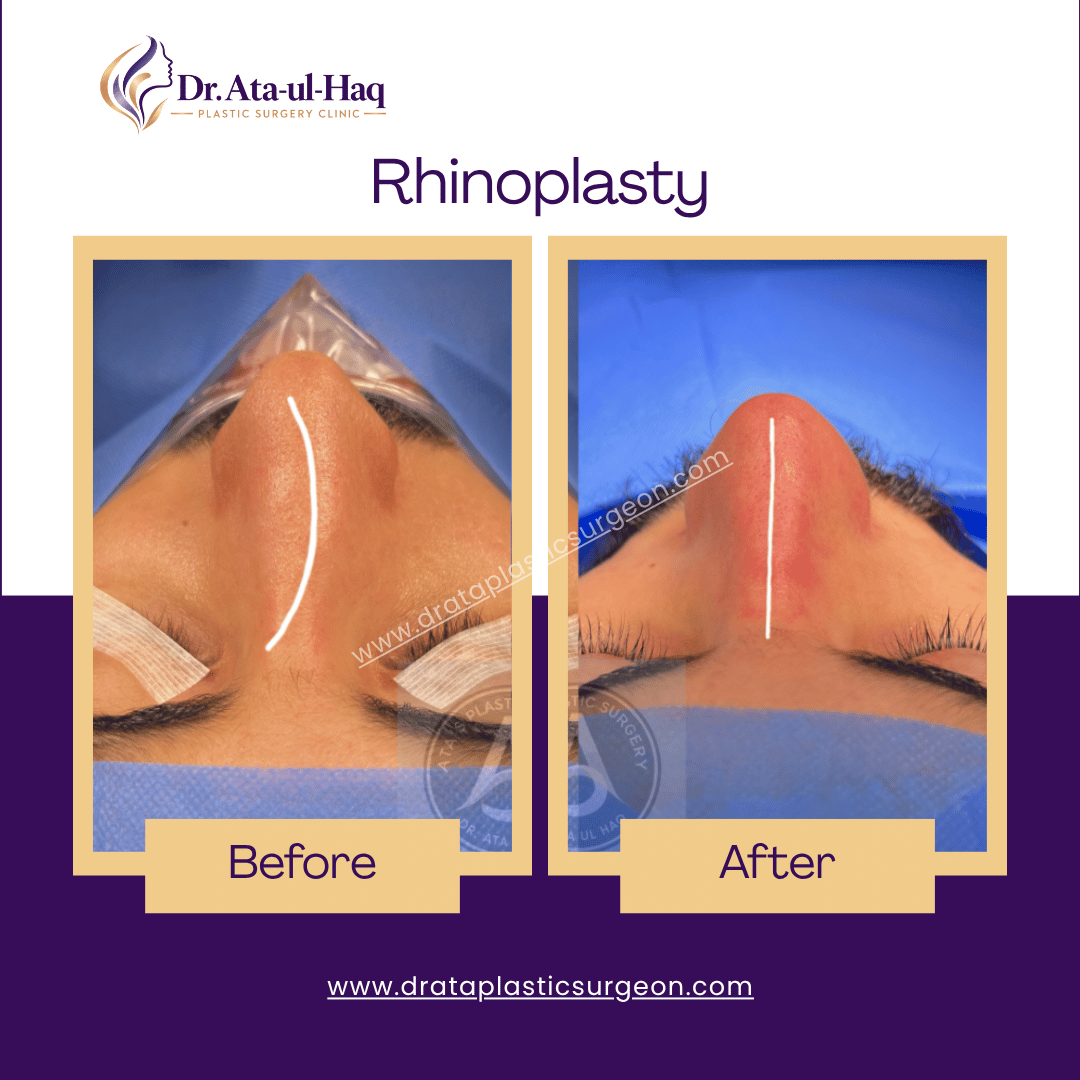
Rhinoplasty, commonly known as nose surgery or nose reshaping surgery, is a procedure that can change the shape, proportions or structure of the nose. Some patients consider rhinoplasty for cosmetic reasons, while others may need an assessment of structural concerns that affect nasal function.
Dr. Ata-ul-Haq (MBBS, FCPS) is a plastic surgeon based in Lahore. Patients considering rhinoplasty can arrange a consultation to discuss their concerns, medical history, treatment options and realistic expectations. The appropriate surgical approach depends on the individual’s nasal anatomy, goals and clinical assessment.
If you are researching rhinoplasty in Lahore, this guide explains the procedure, available approaches, consultation process, recovery considerations, potential risks and factors that may affect the cost of nose surgery.
Considering nose reshaping surgery? Contact the clinic to arrange a consultation and discuss whether rhinoplasty may be appropriate for you.
Every nose is different, and every patient’s goals are unique. Dr. Ata-ul-Haq offers consultations for patients considering nose surgery or nose reshaping to discuss their concerns, explore suitable options, and understand the potential benefits, risks, and recovery process.
Take the first step towards an informed decision about your treatment.
Rhinoplasty, also known as nose reshaping surgery, can address different concerns related to the shape, size and proportions of the nose. Patients may consider the procedure to improve a prominent nasal bridge, reshape the nasal tip, address asymmetry or refine the overall appearance of the nose.
In some cases, surgery may also address structural problems affecting nasal breathing. The appropriate treatment depends on the patient’s nasal anatomy, medical history and expectations. During a consultation, these concerns can be assessed to determine which options may be suitable.
Rhinoplasty can be performed using different surgical approaches, depending on the patient’s anatomy and treatment goals.
Open rhinoplasty involves a small incision across the columella, the tissue between the nostrils, allowing the surgeon to access and assess the underlying nasal structures directly. It may be considered when more detailed structural changes are needed.
Closed rhinoplasty uses incisions inside the nostrils. It may be suitable for selected cases where the planned changes can be performed through this approach.
Revision rhinoplasty involves further surgery on a nose that has undergone a previous rhinoplasty. These cases may require careful assessment because the existing anatomy, scar tissue and remaining structural support can affect treatment planning.
The choice of technique depends on individual needs and clinical assessment. Not every approach is suitable for every patient.
Rhinoplasty also known as a nose job, is a plastic surgery procedure for correcting and reconstructing the nose. Patients can restores the form and functions of the nose with reconstructive surgery and improves the appearance of the nose with cosmetic surgery.
Yes. Nose reshaping surgery is a common term for rhinoplasty. The procedure may involve changes to the nasal bridge, tip, overall proportions or underlying structure, depending on the patient's needs.
Almost anyone with a rightful concern about the appearance of his or her nose could benefit from cosmetic Rhinoplasty. If your nose looks too large for your face, you have hump on the nasal bridge, fat and round, your nose is wide, nose sticks are too much out, nasal tip points are downward, crooked nose and crooked septum, you are the best candidate of Rhinoplasty or Nose surgery.
Consider the surgeon's recognized qualifications, relevant surgical experience, professional registration and experience with the procedure you are considering. A consultation should include a discussion of your goals, potential risks, limitations and expected recovery.
Dr. Atta-ul-Haq will perform the Rhinoplasty procedure under general anesthesia. During the time you are under general anesthetic, you will be asleep and completely unaware of your surroundings. Your surgery is conducted in DHA, Lahore, Pakistan. Dr. Atta starts your Rhinoplasty by making small nasal incisions and exposing the underlying nasal cartilage and bone. Maneuvers are then performed as needed in order to remove the hump, refine and elevate the tip, decrease (or increase) the projection, and reduce the width of the nose. The hump is removed by shaving cartilage and bone. The appearance of the nasal tip is altered to improve definition by removing, stitching, or adding cartilage in the tip area. The septum is straightened, as needed. The nasal bones are often repositioned slightly to achieve a thinner, more elegant look. After the last stitches are placed, you will be placed in a special protective Rhinoplasty dressing (nasal splint), and then gently awakened from anesthesia.
Most patients experience only nominal discomfort after nose surgery. Dr. Atta typically uses a nasal splint to protect the patient’s nose and help maintain its shape. He uses advanced surgical techniques to control initial bleeding, making nasal packing unnecessary. He removes the splint and stitches within 5 to 7 days.
Most patients have some bruising and swelling around their eyes and their noses that increases for the first 2 to 3 days after surgery and then gradually fades. At the end of the first week, it’s likely that you will feel well enough to go out in public.
The recovery from rhinoplasty varies person to person, but in general, plan for two weeks off work and other regular activities. It is usual to wear a nose “splint” for the first week, and to experience swelling and bruising. You should be comfortable returning to work or social activities within about one to two weeks. Once at home, you need to relax and protect your nose from being injured. You may perform non-strenuous activities, such as watching television and reading. You should expect your nose to feel very stuffy, as most patients will breathe only through the mouth during the first week.
Nose surgery is very safe but, as with any surgery, there are some risks. The most common complications are infection, excessive bleeding, or a bad reaction to anesthesia. These are extremely rare, but Dr. Atta encourages patients to contact him and his medical team at any time with questions or concerns.
The cost depends on the complexity of the procedure, the surgical facility, anesthesia and other applicable fees. An individualized estimate can be discussed after a clinical assessment. Book an appointment with Dr. Ata-ul-Haq
You can contact Dr. Ata-ul-Haq's clinic in Johar Town, Lahore, to ask about consultation availability and discuss your concerns about nose surgery.
Dr. Ata-ul-Haq is an experienced plastic surgeon with over 15 years of experience in the field of plastic and reconstructive surgery. He is a member of the Association of Plastic Surgeons, the Association of Aesthetic Surgery Pakistan, and the American Society of Plastic Surgeons. His academic contributions include 22 national and international publications and co-authorship of a chapter in the Oxford Textbook of Plastic and Reconstructive Surgery.
For patients considering rhinoplasty in Lahore, a consultation with Dr. Ata-ul-Haq provides an opportunity to discuss their concerns, understand suitable treatment options, and learn about the potential benefits, risks, and recovery process. Each treatment plan is developed around the patient’s individual needs, anatomy, and expectations.

Recovery after rhinoplasty varies from patient to patient. Swelling, bruising and temporary nasal congestion may occur during the initial recovery period. Some swelling can take several months to settle, while subtle changes in nasal definition may continue for longer.
Patients should follow their surgeon’s instructions regarding wound care, medications, sleeping position, physical activity and follow-up appointments. Strenuous exercise and activities that could injure the nose may need to be avoided for a period recommended by the surgeon.
Regular follow-up helps monitor healing and address any concerns. Before surgery, patients should discuss the expected recovery timeline and arrangements needed to support their recovery.
Dr. Ata-ul-Haq (MBBS, FCPS) is an Associate Professor of Plastic Surgery at Jinnah Hospital/Allama Iqbal Medical College, Lahore, Pakistan. He is certified and member of Pakistan Association of Plastic Surgeons and Pakistan Medical and Dental Council.