
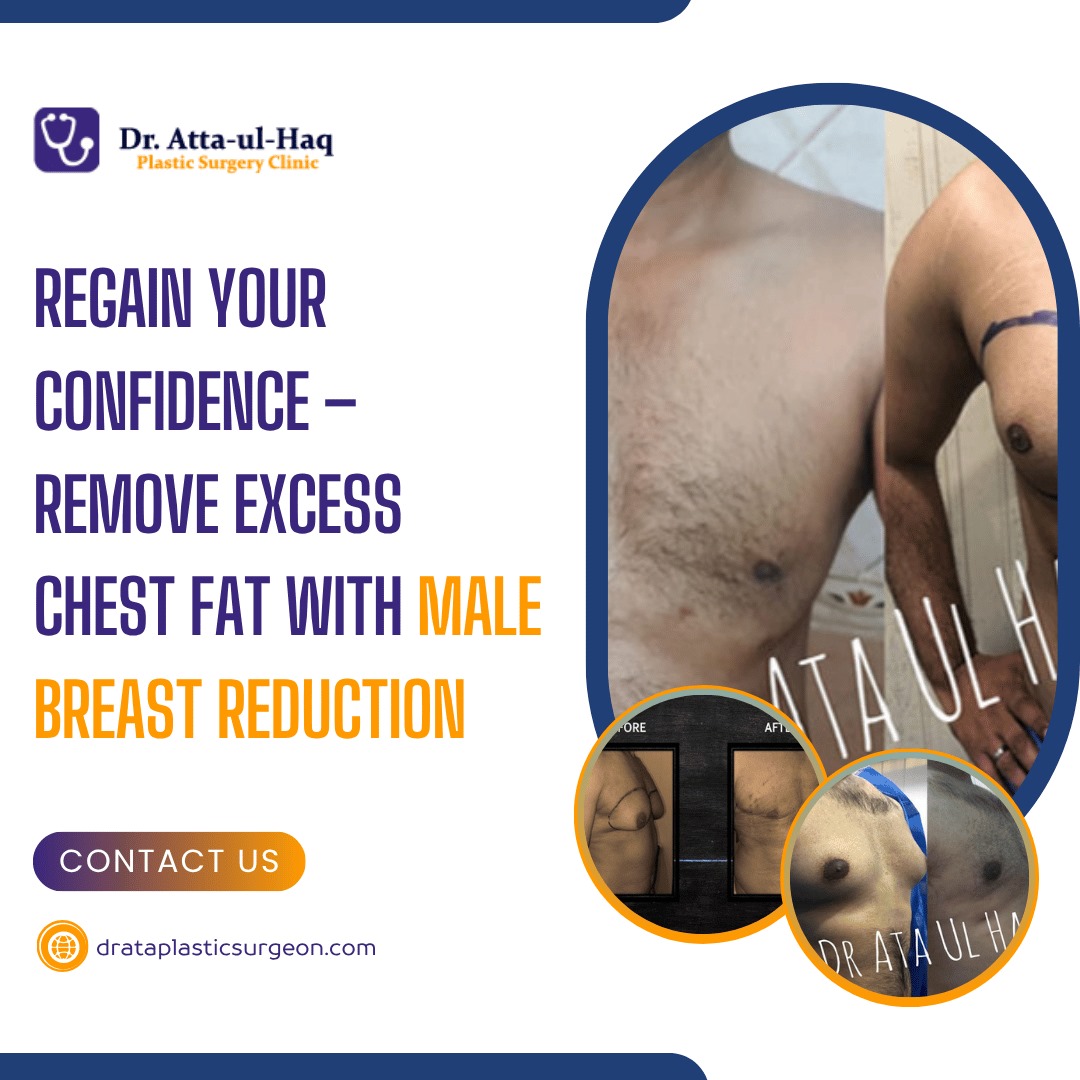
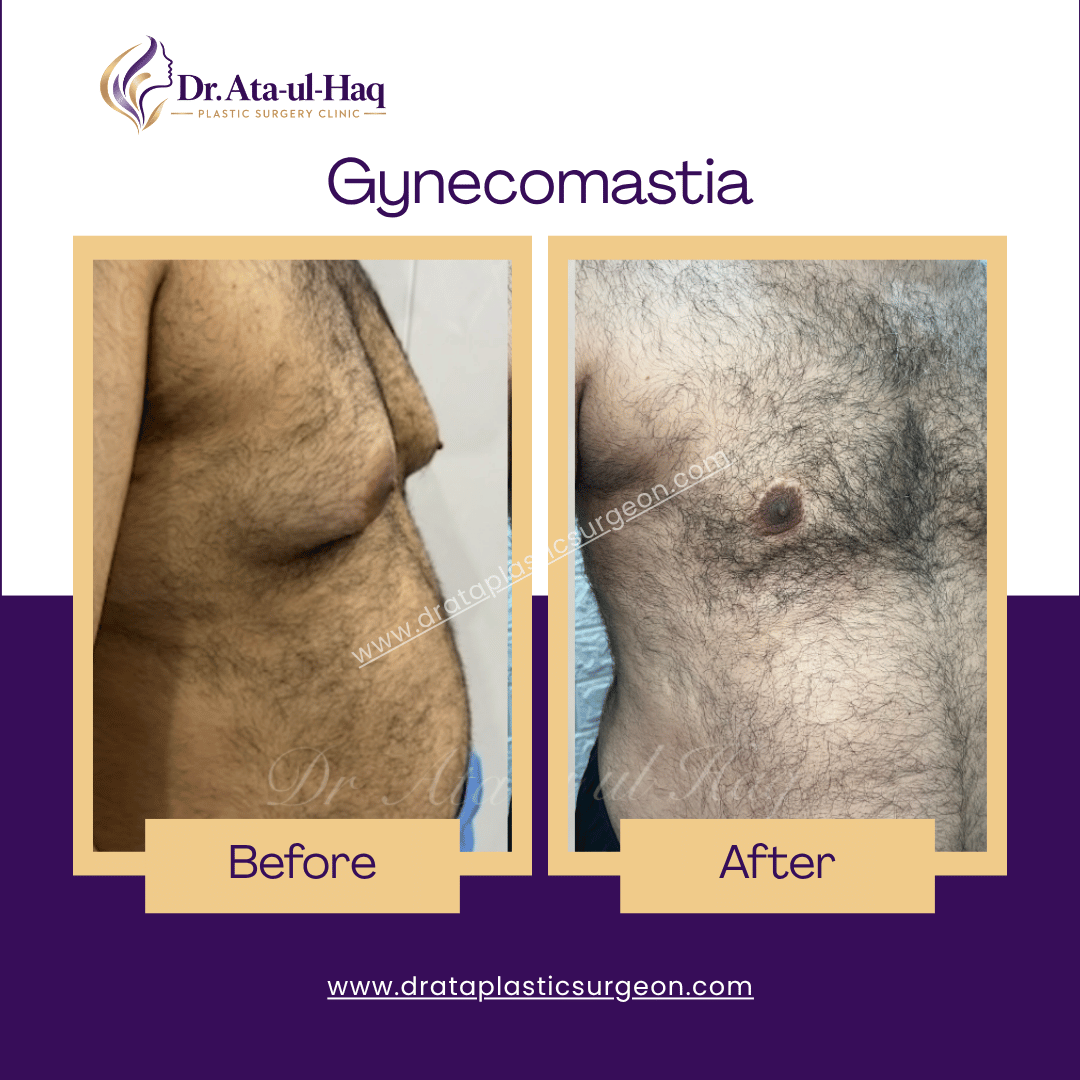
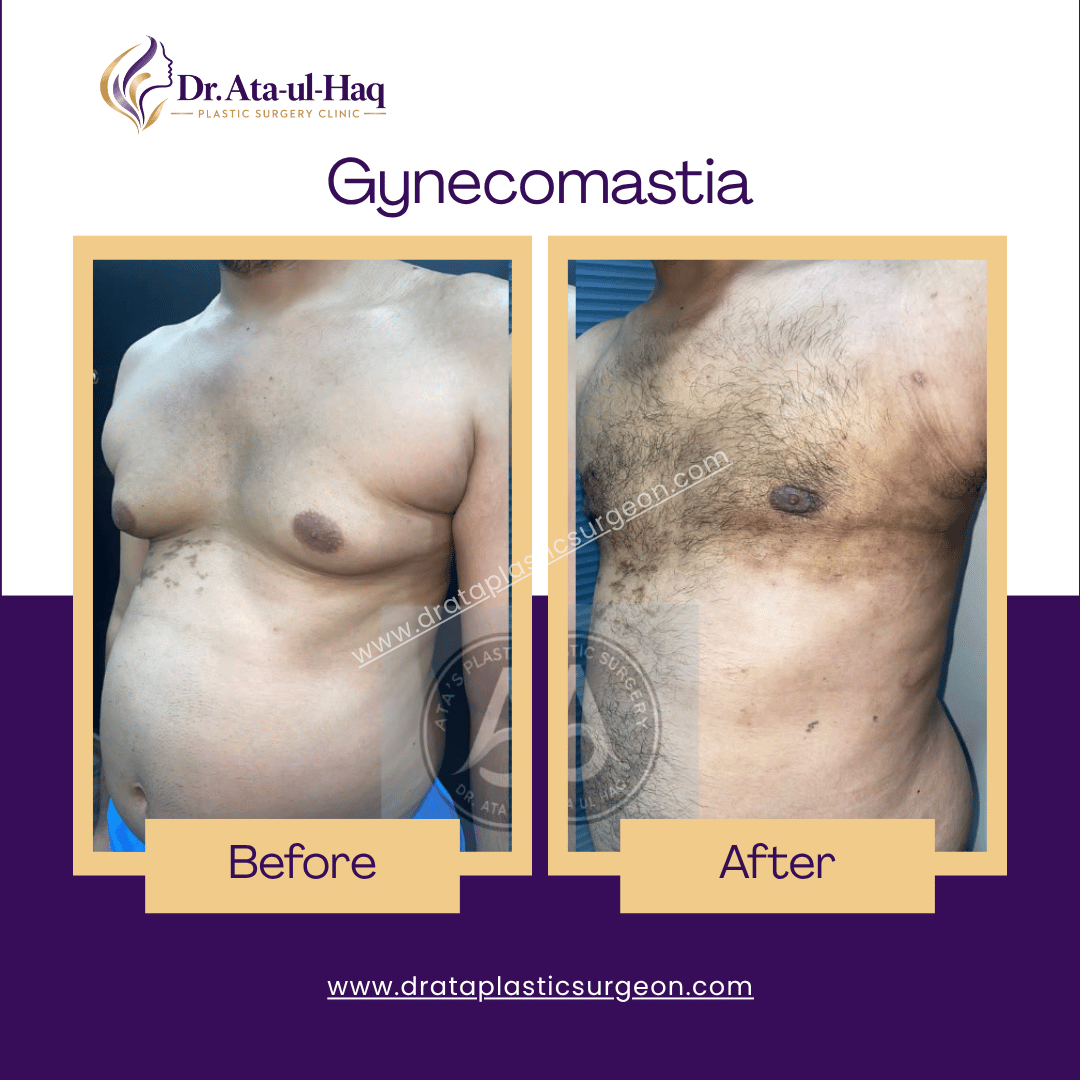
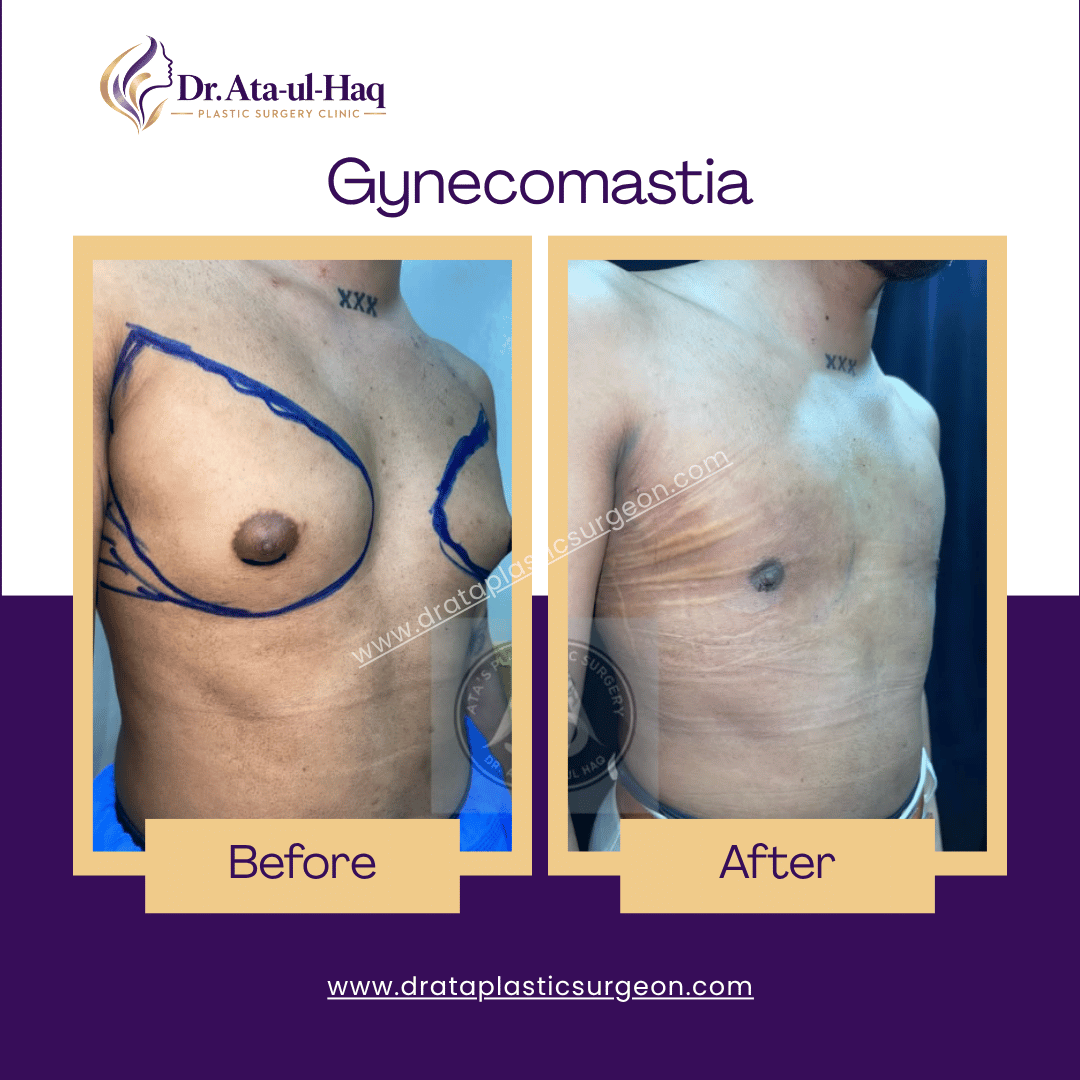
Gynecomastia refers to the enlargement of glandular breast tissue in males. It can affect one or both sides of the chest and may occur during adolescence or adulthood. Hormonal changes, certain medications, underlying medical conditions and other factors can contribute to its development.
Gynecomastia is different from chest enlargement caused mainly by excess fat, sometimes called pseudogynecomastia. Because the causes can differ, a medical assessment is important before deciding on treatment.
For men concerned about an enlarged or prominent chest, the first step is to identify the likely cause and determine whether observation, medical evaluation or surgery may be appropriate.
Gynecomastia surgery aims to reduce excess breast tissue and improve the contour of the male chest. The outcome depends on the amount and type of tissue present, skin elasticity, the surgical technique and individual healing.
Patients should have realistic expectations about the possible results, scarring and recovery. Surgery cannot guarantee a particular chest shape, and some patients may have residual skin laxity or contour irregularities.
During consultation, these considerations can be discussed alongside the potential benefits and limitations of treatment.
Dr. Atta-ul-Haq performs your procedure under local anesthesia, or general anesthesia. If you undergo general anesthesia, you will be asleep and completely unaware during the procedure. Your male breast reduction surgery can be performed right on site in the state-of-the-art facilities of The Plastic Surgery Clinic located at DHA, Lahore, Pakistan. Gynaecomastia surgery usually takes one to two hours.
Gynaecomastia correction is carried out by removing the unwanted tissues, fat tissue, glandular tissue, or excess skin. Dr. Atta carefully reshapes your chest so that it looks flat, with techniques that include Liposuction, glandular tissue removal, excess skin removal, and lifting of the soft tissues. At the end of surgery, Dr. Atta positions the operating bed so you are sitting upright. This allows your chest to be assessed in the most correct manner while Doctor makes surgical adjustments to achieve the best possible result for you. Once completed, he uses plastic surgical techniques to sew the incisions closed. After the last stitches are placed, you will be placed in a surgical chest compression garment and gently awakened from anesthesia.
Gynecomastia surgery may be considered for men who have persistent breast enlargement and are concerned about their chest appearance or contour.
Suitability depends on several factors, including:
The cause and duration of breast enlargement
The amount of glandular tissue and excess fat
Skin quality and elasticity
General health and medical history
Medications and other possible contributing factors
Individual expectations and treatment goals
A consultation helps determine whether surgery is appropriate and whether further medical evaluation is needed. Patients should understand the potential benefits, limitations, risks and recovery requirements before making a decision.
Recovery after gynecomastia surgery varies according to the surgical technique, extent of treatment and individual healing.
Swelling, bruising, soreness and temporary changes in sensation may occur during the initial recovery period. Patients may need to wear a compression garment and limit strenuous activity for a period advised by their surgeon.
During recovery, patients should:
Follow wound-care instructions
Take prescribed medications as directed
Wear compression garments if recommended
Avoid strenuous exercise until cleared by the surgeon
Attend follow-up appointments
Contact the surgical team if they experience concerning symptoms
The chest contour changes as swelling settles. The recovery timeline and final appearance vary from patient to patient, so individual guidance is important.
Like other surgical procedures, gynecomastia surgery carries potential risks. These may include:
Bleeding or infection
Swelling and bruising
Scarring
Changes in nipple or chest sensation
Differences between the two sides of the chest
Contour irregularities
Fluid accumulation
Complications related to anaesthesia or surgery
The likelihood and nature of complications vary according to individual health, the procedure performed and other factors. The surgeon should explain the relevant risks and precautions during consultation.
There are many qualifed and experienced gynecomastia surgeons in Lahore, Pakistan and Dr. Atta-ul-Haq is one of the best Gynaecomastia surgeon with over 15 years of experience and hundreds of satisfied patients from all over the world.
The cost of gynecomastia surgery in Lahore varies depending on the patient's treatment requirements and the complexity of the procedure.
Factors that may affect the overall cost include:
Whether liposuction, glandular tissue removal or both are required
The extent of breast enlargement
Whether excess skin needs to be addressed
Anaesthesia and surgical facility fees
Postoperative care and other applicable expenses
An individual estimate can be discussed after a clinical assessment. During consultation, patients should ask what is included in the quoted fee and whether additional expenses may apply.
Surgery involves incisions, so some scarring is expected. Their location and appearance depend on the technique used, individual healing and other factors. Scars generally change over time, but they may not disappear completely.
No. Suitability depends on the cause of enlargement, general health, medical history and individual treatment goals. Some patients may need medical evaluation or management of an underlying cause before surgery is considered.
You can contact Dr. Ata-ul-Haq's clinic in Johar Town, Lahore, to ask about consultation availability and discuss your concerns, possible treatment options and next steps.

Liposuction may be used to remove localized fat deposits in selected patients, including some men with chest enlargement. It can also be used for body-contouring procedures involving other areas.
Double chin removal may help reduce excess fat beneath the chin and improve the contour of the chin and neck. Depending on the cause, treatment options may include chin liposuction or other approaches based on skin quality, anatomy and individual needs.
Dr. Ata-ul-Haq (MBBS, FCPS) is an Associate Professor of Plastic Surgery at Jinnah Hospital/Allama Iqbal Medical College, Lahore, Pakistan. He is certified and member of Pakistan Association of Plastic Surgeons and Pakistan Medical and Dental Council.
