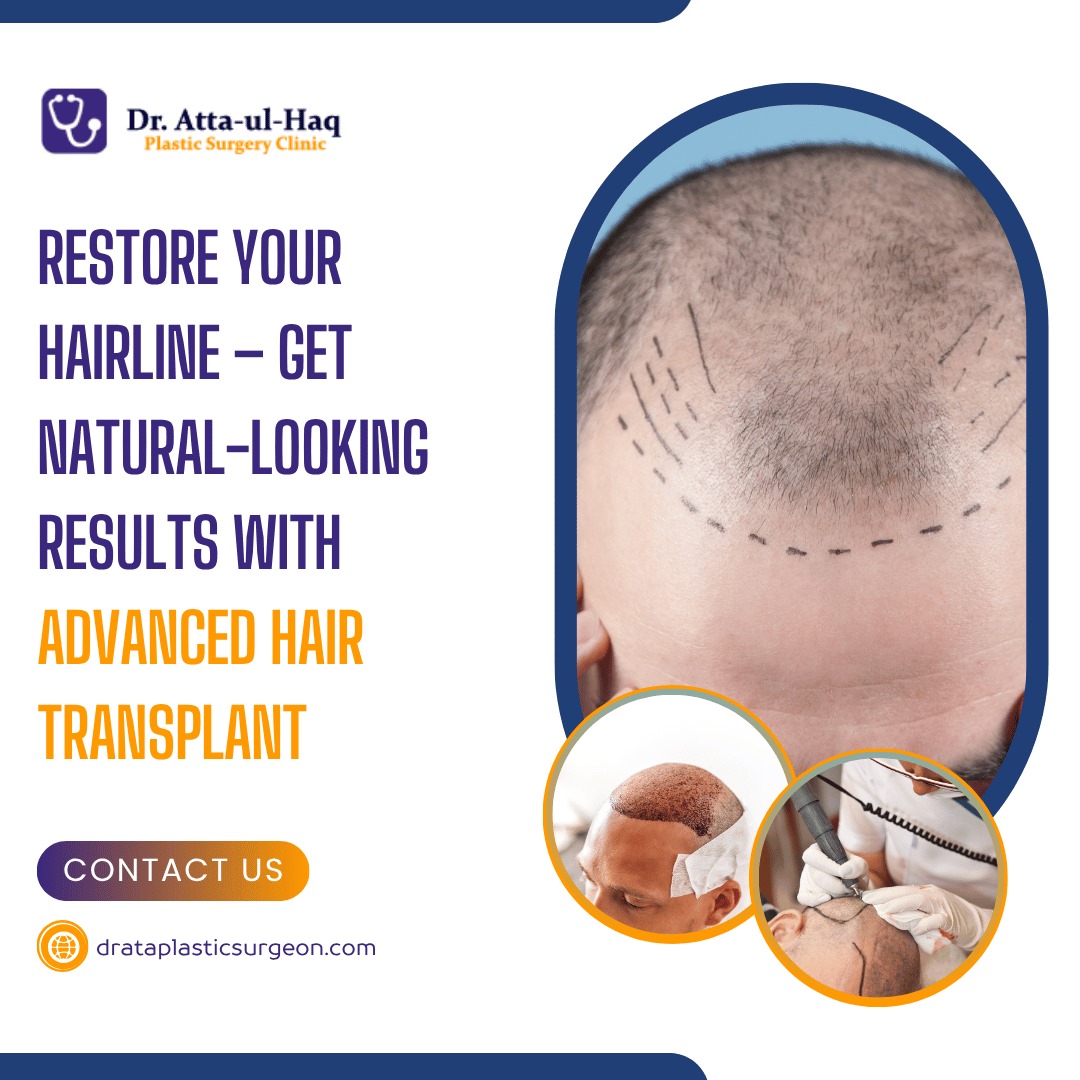
The procedure is planned according to the selected technique and the patient’s individual needs.
The surgeon reviews the pattern of hair loss, examines the donor area and discusses the patient’s goals. The proposed hairline, likely graft requirement, technique, limitations and potential risks are explained.
The scalp is prepared according to the surgical plan. Hair trimming requirements and anesthesia arrangements depend on the technique and the individual case.
For FUE, follicular units are extracted individually. For FUT, a strip of scalp is removed and follicular units are prepared from the tissue. The choice depends on the agreed treatment plan.
The surgeon plans the placement of the grafts according to the desired coverage, natural hair direction and the characteristics of the recipient area.
The prepared follicular units are placed in the selected areas. The final distribution depends on the available donor hair, the size of the recipient area and the agreed plan.
The duration of surgery depends on the number of grafts, technique and complexity of the procedure. The clinic should provide specific instructions for the day of surgery and aftercare.
Recovery varies according to the technique, the number of grafts, individual healing and the nature of the patient’s work and daily activities.
Mild swelling, redness, tenderness or small crusts may occur around the treated areas. Follow the clinic’s instructions for washing, sleeping, medication and protecting the scalp.
Avoid rubbing, scratching or putting pressure on the grafts. Contact the clinic if you have concerns about bleeding, worsening pain, increasing redness or signs of infection.
The scalp gradually heals, and crusts generally resolve according to the individual’s healing process. Follow the surgeon’s advice about washing the scalp, wearing headwear and returning to exercise or other activities.
The donor area also needs care. Recovery and scar appearance differ between FUE and FUT.
Transplanted hairs commonly shed during the early period after surgery. This can be an expected part of the hair transplant cycle and does not necessarily mean the procedure has failed.
New growth develops gradually over subsequent months. The timing and extent of visible growth vary, and the final assessment may take around a year or longer depending on the individual case.
The surgeon should explain the expected timeline and schedule follow-up where appropriate.
The aim of hair transplantation is to improve hair coverage using suitable donor follicles. Results depend on donor hair quality, graft survival, hair characteristics, the recipient area, surgical planning and individual healing.
A transplant cannot guarantee a particular density or hairline. It also does not stop the natural progression of pattern hair loss in untreated areas.
Some patients may need ongoing medical management of hair loss, while others may require further assessment as their hair loss changes over time. Any additional procedure should be planned with consideration for donor hair limitations.
Before deciding on surgery, review the expected benefits, limitations, risks and likely timeline with the surgeon.
Hair transplant surgery carries potential risks, which may include:
The risks vary with the technique, the patient’s health and the surgical plan. Discuss your medical history, medications, expectations and individual risk factors with the surgeon before proceeding.
The cost of hair transplant surgery in Lahore depends on the patient’s treatment plan rather than one fixed price for every case.
Factors that may affect the cost include:
Some clinics quote a price per graft, while others offer a package. When comparing estimates, ask what is included and whether the quoted graft number is an estimate or a confirmed treatment plan.
A personalised cost estimate can be discussed after assessment by Dr. Ata-ul-Haq. Contact the clinic to arrange a consultation and learn about the options appropriate for your case.